Revitalizing Urban Spaces: The Role of Natural Stone in City Landscaping Dec 18, 2025
Natural stone, with its myriad forms and finishes, offers an unparalleled depth of versatility in urban planning. It can be intelligently incorporated into spaces like parks, pedestrian paths, public squares, and even vertical walls, offering both aesthetic appeal and practical functionality. From granite benches to limestone pathways, the options are endless, allowing each project to have its unique touch that complements the urban fabric.
Architects and landscapers are increasingly leaning towards natural stone for its environmental benefits. Unlike manufactured materials, stone is quarried directly from the earth, making it a sustainable choice that reduces the environmental impact of urban development. Additionally, natural stone's durability means it withstands weather extremes, from freezing temperatures to blazing sun, significantly lowering maintenance costs over time. This long lifespan is not only economical but also environmentally friendly, as it reduces the need for frequent replacements and repairs.
But what makes natural stone truly shine in urban spaces is its ability to enhance the aesthetic appeal. Whether it's the timeless sophistication of marble or the rustic charm of sandstone, each type of stone brings a unique texture and color palette to the environment. This versatility allows designers to create harmonious landscapes that bridge the gap between nature and urbanity, offering respite from the concrete jungle. Significantly, incorporating stone can transform typically drab urban areas into welcoming spaces that invite relaxation and community engagement.
From a practical standpoint, natural stone also provides excellent value in terms of safety and comfort. Textured stone surfaces offer good traction, reducing the risk of slips and falls in wet conditions - a crucial feature for public walkways and gathering spaces. Moreover, natural stone's thermal properties mean it stays cooler than concrete, making it more comfortable for city dwellers during hot summer months.
For businesses and municipalities aiming to attract tourism and improve public well-being, investing in well-designed stone landscaping can have a substantial positive impact. Enhanced spaces not only increase foot traffic but also enhance property values and encourage investment in surrounding areas. Natural stone installations offer a visual anchor that can define the character of a neighborhood, creating a sense of place that draws people in and keeps them coming back.
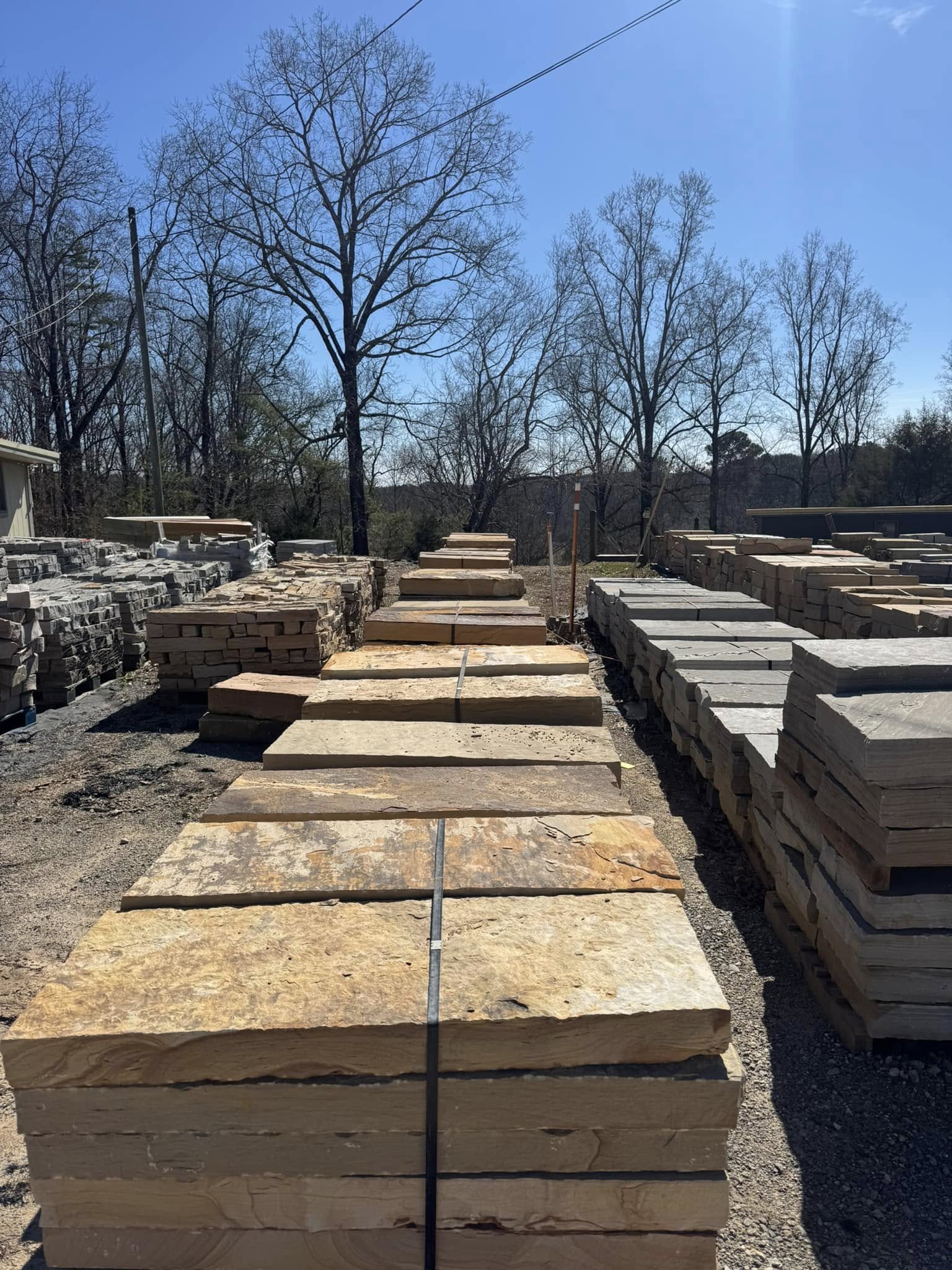
In conclusion, the role of natural stone in revitalizing urban spaces is multifaceted and deeply impactful. By balancing aesthetic beauty with practicality and sustainability, stone landscaping positions cities as vibrant, appealing places to live, work, and play. For those in the business of crafting these landscapes, such as Stone Trade Of North Georgia, leveraging the natural attributes of stone can create enduring landmarks that uplift urban life for generations to come. As cities grow and evolve, embracing the use of natural stone ensures that urban spaces remain both livable and lovably beautiful.
/filters:no_upscale()/filters:format(webp)/media/20745895-d64c-4105-91fc-8fc8fa42c5de.jpeg)
/filters:no_upscale()/filters:format(webp)/media/50eef57c-a61c-4a92-9155-3dec08228196.jpeg)