Creating Bold Statements: The Impact of Stone Features in Contemporary Architecture Jun 21, 2026
When incorporating stone features into architectural design, the texture, color, and durability of the material are all vital considerations. Stone provides an authentic, lasting impression that can transform a structure from ordinary to extraordinary. Whether used in creating grandiose facades, intricate interior accents, or expansive outdoor landscapes, stone features offer a robust and luxurious finish that complements the clean lines and minimalist principles often found in contemporary designs.
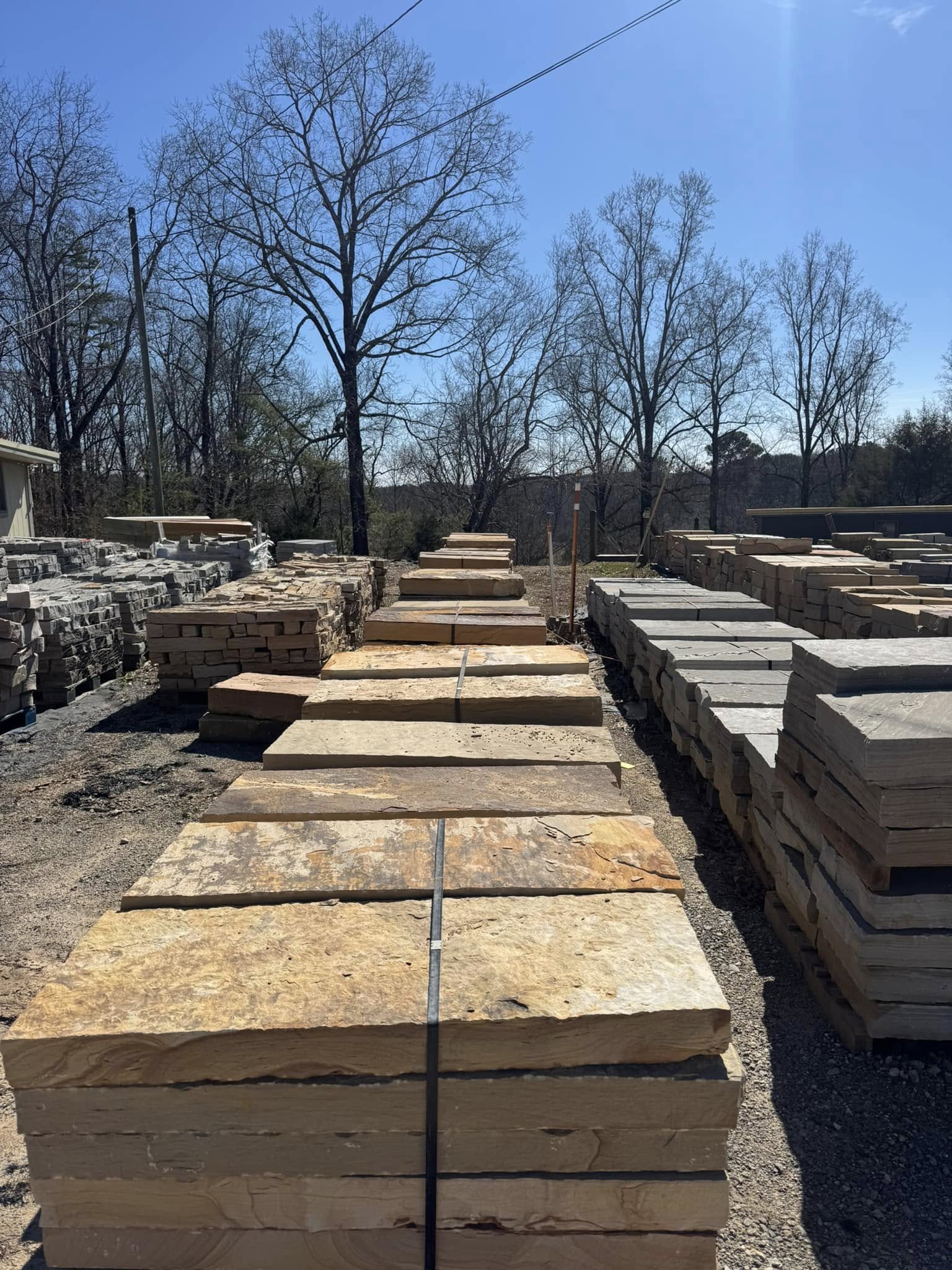
One of the most significant advantages of using stone in architecture is its durability and sustainability. Natural stone, with its ability to withstand harsh weather and the test of time, ensures that structures maintain their integrity and beauty for years to come. In an era where sustainable building practices are not merely appreciated but expected, stone stands out as an environmentally friendly option. It requires minimal processing, making it a low-energy building material compared to synthetic alternatives. Stone Trade Of North Georgia provides a wide variety of stone options that can be used to enhance eco-friendly building projects, offering both aesthetic appeal and environmental benefits.
Functionality is another key factor influenced by the use of stone in design. From offering excellent thermal mass to enhancing acoustic properties, stone contributes more than just visual appeal. For areas with extreme climates, the thermal efficiency of stone ensures that buildings remain comfortable regardless of external conditions. Furthermore, its sound absorption qualities help create serene and quiet indoor environments, adding to the overall ambiance of a space.
Beyond functionality and sustainability, stone also has a unique ability to convey a sense of place and history. Each stone piece carries individual characteristics, forming an intrinsic connection between the building and its environment. Whether architects opt for locally sourced materials or exotic stones, each choice tells a story, cultivating a deeper connection with the architecture. Stone Trade Of North Georgia sources a multitude of stone types, allowing architects to select pieces that best reflect a project's geographical and cultural context.
Integrating stone features into contemporary architecture not only enriches design but also enhances property value. Stone elements—be it a striking entryway, a dramatic fireplace, or a sophisticated kitchen backsplash—act as focal points that draw attention and leave a lasting impression. Prospective buyers often seek out homes and commercial spaces that embody these luxurious accents, which add both monetary and aesthetic value to the property.
In conclusion, stone features are pivotal in crafting bold architectural statements that resonate with contemporary design principles. Stone Trade Of North Georgia stands as a vital partner for industry professionals seeking to push the boundaries of design with stone. By choosing stone, architects and designers are not only embracing a tradition that dates back millennia but also pioneering innovative paths towards the future of sustainable, impactful architectural design. As natural stone continues to gain prominence, it remains an unrivaled choice for those aspiring to create enduring and breathtaking spaces.
/filters:no_upscale()/filters:format(webp)/media/20745895-d64c-4105-91fc-8fc8fa42c5de.jpeg)
/filters:no_upscale()/filters:format(webp)/media/50eef57c-a61c-4a92-9155-3dec08228196.jpeg)